

Injuries Caused by Third Parties in the Workplace
Your Options When You’re Hurt by a Third Party on the Job In New Jersey, as in all states, when you’re injured while working, your first course of action will typically be to notify your employer and file a workers’ compensation claim. The requirements to qualify for workers’ comp are pretty straightforward: you must have suffered an...
Injuries Caused by Third Parties in the Workplace Continue reading…
Common Winter Workplace Injuries in New Jersey
Winter Conditions Contribute to Annual Rise in Job-Related Injuries It’s winter in New Jersey, which means ice and snow. And if you work outside, it can mean a greater risk of injury on the job. But even if most of your work is inside, you might still be at risk. Statistics show that work-related injuries...
Common Winter Workplace Injuries in New Jersey Continue reading…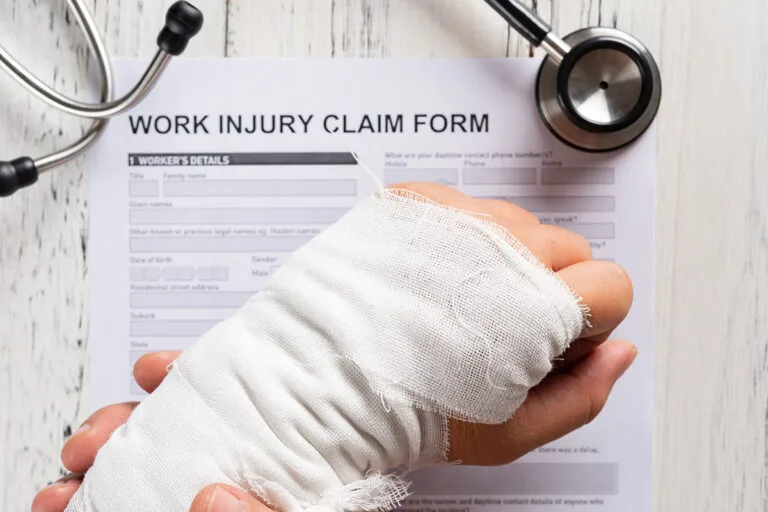
Can You Choose Your Own Doctor When You Have a New Jersey Workers’ Comp Claim?
What Rights Do You Have With Respect to Who Treats You? You’ve been hurt on the job, and it’s either making it difficult for you to work, or it’s preventing you from being gainfully employed. Your first concern, after any injury, is about getting the care you need so that you maximize the likelihood of...
Can You Choose Your Own Doctor When You Have a New Jersey Workers’ Comp Claim? Continue reading…
Can You get Workers’ Compensation for a Pre-Existing Injury?
Can You Qualify for Benefits If You Aggravate an Old Injury? You’ve suffered some type of injury that prevents you from working. Maybe it happened at your current job, or maybe it happened before you came to your current employer. Maybe it wasn’t even related to your job—suppose you hurt yourself playing sports when you...
Can You get Workers’ Compensation for a Pre-Existing Injury? Continue reading…
Actions to Avoid After a Workplace Injury
Mstakes That Will Put Your Claim at Risk The New Jersey workers’ compensation laws are pretty straightforward. As in other states, you don’t have to prove that your employer’s negligence caused your workplace injury. You only need to show two things: that you were hurt and that your injury happened during the course of your employment....
Actions to Avoid After a Workplace Injury Continue reading…
Was Your Injury Work-Related?—Part 3
Under the workers’ compensation law of New Jersey, an injured worker doesn’t need to establish that the employer was negligent in order to receive benefits. Because workers’ comp is essentially based on the concept of strict liability, a person needs to show only that they suffered an injury and that the injury was work-related. In the first...
Was Your Injury Work-Related?—Part 3 Continue reading…
Was Your Injury Work-Related? Part 2
Injuries Suffered While Traveling for Work In New Jersey, as in all states, workers’ compensation benefits are available to injured workers without evidence or proof of negligence by the employer. Generally, the only requirements to qualify are evidence that you were injured and that the injury occurred while you were working. In the first blog in this...
Was Your Injury Work-Related? Part 2 Continue reading…
Was Your Injury Work-Related? Part 1
Situations Where You May or May Not Be Eligible for Workers’ Comp Benefits New Jersey workers’ compensation law has made it simpler for injured workers to recover benefits in a timely manner. Unlike most other personal injury claims, workers’ compensation benefits do not require that you prove negligence. Instead, to qualify for payments, you need only show...
Was Your Injury Work-Related? Part 1 Continue reading…
Getting Compensation after a Workplace Injury in New Jersey
Qualifying for Workers’ Compensation | Can You File a Personal Injury Lawsuit? You’ve been hurt on the job and your injuries prevent you from working. In New Jersey, you have the right to seek benefits through the state’s workers’ compensation laws. What must you show to be eligible to receive work comp benefits? Will you be...
Getting Compensation after a Workplace Injury in New Jersey Continue reading…
Is Fault a Factor in Workers’ Compensation Claims?
Can You Get Workers’ Comp Benefits If You Cause Your Own Injuries? In New Jersey, to qualify for workers’ compensation benefits, you need to show two things: (1) that you were injured and (2) that the injury happened during the course of your employment. You need not show who caused the injury nor prove that your employer...
Is Fault a Factor in Workers’ Compensation Claims? Continue reading…
Was Your Injury Work-Related?
Can You Collect Workers’ Compensation for Injuries Suffered at a Company Outing or Event? Under New Jersey workers’ compensation law, there are only two requirements to qualify for benefits—you must suffer an injury and you be working at the time of the injury. In most instances, there’s little question about whether the injury is work-related....
Was Your Injury Work-Related? Continue reading…
Was Your Injury Work-Related?
Can You Collect Workers’ Compensation for Injuries Suffered while Traveling? In New Jersey, if you’re hurt on the job, you have a right to seek benefits through a workers’ compensation claim. There are only two requirements to be eligible for payments—you must show that you suffered an injury, and you must prove that the injury was work-related....
Was Your Injury Work-Related? Continue reading…