
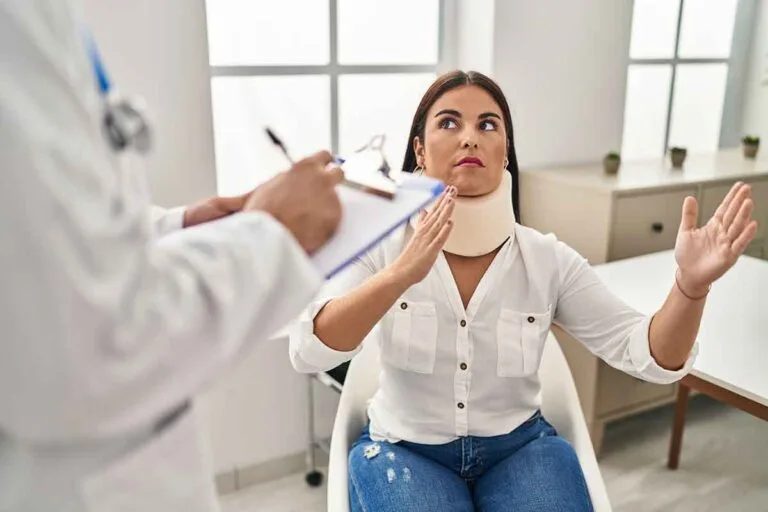
Can You File a Lawsuit If You Are Injured Due to Poor Lighting on Residential or Commercial Property?
Does a Property Owner Have a Duty to Ensure Property Illumination? You’re visiting someone’s house after dark or you’re making a late-night trip to the store. There’s a light out and you don’t see a step or other obstacle in your path. You trip and fall suffering serious injury. Can you seek damages from the owner of...
Can You File a Lawsuit If You Are Injured Due to Poor Lighting on Residential or Commercial Property? Continue reading…
The Use of Expert Witness Testimony in a Personal Injury Lawsuit
The Purpose of Expert Witnesses | The Different Kinds of Expert Witnesses When you have been hurt in an accident caused by the carelessness or negligence of another person, you have a right to file a personal injury lawsuit to recover full and fair compensation for all your losses. As a part of that legal proceeding, you’ll...
The Use of Expert Witness Testimony in a Personal Injury Lawsuit Continue reading…
The Types of Damages Available in a Personal Injury Lawsuit
The Losses You Can Potentially Recover after Someone Else’s Negligence When the careless or wrongful act of another person causes you injury or loss, you have the right to file a civil lawsuit to recover damages. Whether it’s a motor vehicle accident, a slip and fall, a workplace injury or the malfunction of a dangerous or defective product, you...
The Types of Damages Available in a Personal Injury Lawsuit Continue reading…
Third-Party Claims in Work-Related Accidents
Are You Limited to Workers’ Compensation Benefits? According to the Bureau of Labor Statistics, more than seven million work-related injuries are reported every year. In New Jersey, all employers not covered by federal programs must either carry workers’ compensation insurance or be approved to be self-insured. When you suffer any type of injury on the...
Third-Party Claims in Work-Related Accidents Continue reading…
What Can You Recover in a Personal Injury Lawsuit?
What Types of Compensation Are Available? You’ve been hurt in an accident caused by someone else’s wrongful act. You have a right to file a lawsuit to recover compensation for all your losses. What does that include? What compensation can you expect to recover? The Types of Damages Available in a Personal Injury Lawsuit At...
What Can You Recover in a Personal Injury Lawsuit? Continue reading…
Who Qualifies to File a Personal Injury Claim after an Accident?
What Are the Legal Requirements to Be Eligible to File a Lawsuit? The impact of a personal injury can be widespread. You may be the primary or exclusive breadwinner in your family and be unable to work because of your injuries. You may be the spouse or child of an injured person, and lose the...
Who Qualifies to File a Personal Injury Claim after an Accident? Continue reading…
Evidence that Can Be Excluded at a Personal Injury Trial
Evidence that Can Be Ruled Inadmissible In New Jersey and across the United States, when parties are preparing a personal injury case, the principle of open discovery applies, ensuring that all parties have equal access to information and evidence related to the lawsuit. It’s important to understand, though, that not all evidence uncovered by the...
Evidence that Can Be Excluded at a Personal Injury Trial Continue reading…
Ways that Your Personal Injury Claim Can Be Resolved without a Trial
Voluntary and Involuntary Termination of Litigation When you have suffered an injury because of the carelessness or negligence of another person, you have a right to file a lawsuit seeking full and fair compensation for all your losses. Though your lawyer may take all the necessary steps to be fully prepared, should your case go...
Ways that Your Personal Injury Claim Can Be Resolved without a Trial Continue reading…
The Statute of Limitations and Your Personal Injury Claim
How the Statute of Limitations Affects a New Jersey Case When you’ve been injured in New Jersey because of the wrongful or careless act of another person, you have the right to bring a lawsuit to recover compensation for all your losses. You must, however, bring your claim within a certain amount of time or...
The Statute of Limitations and Your Personal Injury Claim Continue reading…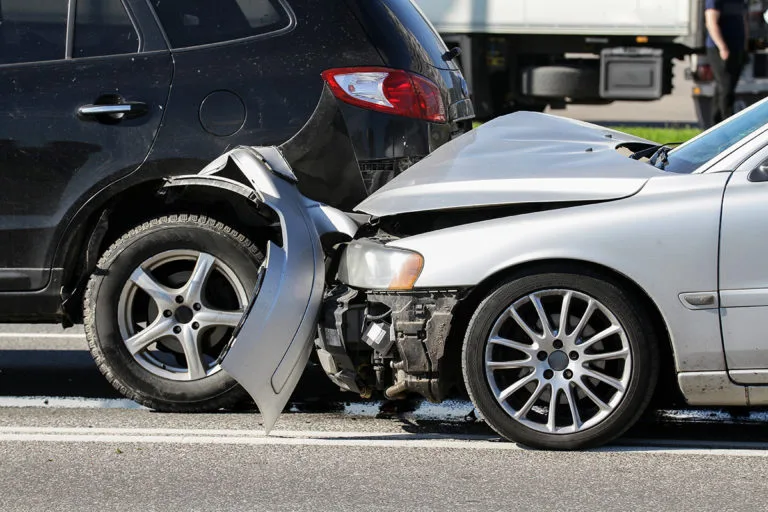
Comparative Negligence in New Jersey
How Will It Affect Your Right to Recovery after an Accident? When you’ve been injured in a motor vehicle accident or a slip and fall, you have a right to bring a personal injury claim against any other party who acted carelessly or negligently, causing the accident and your injuries. But what if you were partially...
Comparative Negligence in New Jersey Continue reading…
The Types of Damages Available in a New Jersey Personal Injury Claim
What Can You Recover in a Lawsuit? When you’ve been hurt in any type of an accident caused by the carelessness or negligence of another person, you have the right to file a lawsuit to recover for your injuries and loss. You may be unable to work or may need extensive rehab or physical therapy, which may...
The Types of Damages Available in a New Jersey Personal Injury Claim Continue reading…
Establishing Cause in a Personal Injury Claim
What Must You Show to Prove Negligence? In our last blog, we looked at the standard of care in a personal injury lawsuit, examining the requirement that an injured person show that the defendant failed to act as a reasonable person would under the circumstances. That’s the first components of a successful personal injury claim....
Establishing Cause in a Personal Injury Claim Continue reading…