
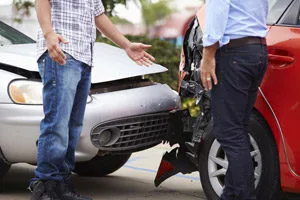
Insurance Coverage after a Motor Vehicle Accident in New Jersey
The Basic Policy for Personal Injury Protection (PIP) in New Jersey In New Jersey, all motor vehicle operators are required under the law to have a “basic policy” of liability insurance. Technically, New Jersey is a “no-fault” state. That means that, when you’ve suffered injury or loss in an automobile crash, you seek benefits from...
Insurance Coverage after a Motor Vehicle Accident in New Jersey Continue reading…
Who’s Responsible for a Pedestrian Accident?
Determining Legal Liability When a Motorist Hits a Pedestrian The U.S. Centers for Disease Control (CDC) estimates that more than 130,000 people will make a trip to the emergency room this year after being hit by a motor vehicle. About 16 of those pedestrian accidents will be fatal every day. When you’ve suffered injury as...
Who’s Responsible for a Pedestrian Accident? Continue reading…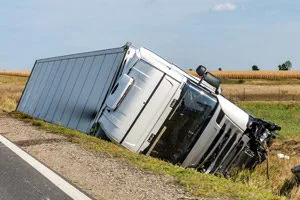
Statistics Show Trucking Accident Rates Continue to Rise
Authorities Say More Trucks and Cheaper Gas Mean More Miles on the Road and More Accidents According to statistics collected by the Federal Motor Carrier Safety Administration (FMCSA), deaths caused by large commercial truck accidents increased in 2017 by approximately five percent. More than 4,000 motorists, passengers or pedestrians lost their lives in truck accidents...
Statistics Show Trucking Accident Rates Continue to Rise Continue reading…
New Jersey Allows Time Off from Work for Victims of Domestic Violence
State Law Requires Employers to Permit Time Off When you’ve been the victim of domestic abuse or violence, it affects every aspect of your life— home, social gatherings and even work. It may be the physical consequences—the need for ongoing medical treatment. But it can also involve deep emotional and psychological trauma, requiring counseling or...
New Jersey Allows Time Off from Work for Victims of Domestic Violence Continue reading…
The Duties of Property Owners in Winter in New Jersey
Slips and Falls on Snow or Ice—Premises Liability It’s winter in New Jersey and that typically means snow and ice—on the roads, on the sidewalks, and on steps and other places pedestrians travel. In New Jersey, as in other states, the owner of residential or commercial property, or anyone who exercises control over real property...
The Duties of Property Owners in Winter in New Jersey Continue reading…
Common Defenses to Allegations of Breach of Contract
Perhaps the most common claim made in business and commercial litigation is an allegation of breach of contract. In such a claim, one of the parties to a purported agreement asserts that the other party has either failed to perform as set forth in the contract, or provided substandard or non-conforming performance. Typically, when a commercial lawsuit...
Common Defenses to Allegations of Breach of Contract Continue reading…
The Basics of Prenuptial Agreements
If you are thinking about getting married and you’ve either been married before or you are bringing substantial assets into the marriage, you should consider drafting and signing a prenuptial agreement, so that you can protect your assets in the event of separation or divorce. Contrary to popular belief, the decision to address property issues...
The Basics of Prenuptial Agreements Continue reading…
Things to Watch Out for When Buying a Car from a Dealer
Some of the Common Ways that a Dealer Will Mislead You Unless you work with cars or it’s a serious avocation, you can easily be victimized by a less-than-honest car dealer. It’s not just the price, either. Here are some of the most frequent tactics that care dealers will use to try to take advantage...
Things to Watch Out for When Buying a Car from a Dealer Continue reading…
New Jersey Wage Garnishment Laws
When you’re attempting to collect a debt in New Jersey, one of the first places you potentially look is at the wages of the debtor. Can you successfully garnish the wages of the person who owes you money, so that their employer will pay you directly? Here is some basic information about wage garnishment in New Jersey....
New Jersey Wage Garnishment Laws Continue reading…
Happy Holidays from The Cintron Firm
The trust you place in us is a gift, and we are grateful. We wish you all the gifts of theseason and a peaceful, prosperous new year.
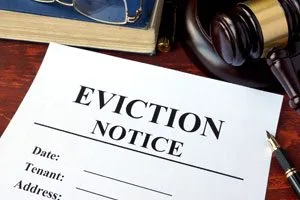
Defenses to an Eviction Proceeding in New Jersey
Under New Jersey law, when your landlord attempts to evict you from an apartment, there are a number of notice requirements with which the landlord must comply: Notice requirements for failure to pay rent—Technically, there is no notice requirement if a landlord seeks to evict a tenant for failure to pay rent. If the rent is not...
Defenses to an Eviction Proceeding in New Jersey Continue reading…
What Are Damages for Pain and Suffering?
When someone else has acted carelessly or negligently and you’ve suffered actual losses, you have a right to seek compensation in a civil lawsuit. Based on the types of injuries you’ve suffered, you can generally seek damages (a monetary award) for both economic and non-economic losses. Economic damages are those which are easily calculated, such...
What Are Damages for Pain and Suffering? Continue reading…