

New Jersey Personal Injury Claims
What Must I Prove to Recover Compensation? You’ve been in a car accident or suffered an injury in a slip-and-fall on someone else’s property. How do you go about getting compensation for unreimbursed medical expenses, lost wages and income, physical pain and suffering, loss of companionship or consortium, or the inability to do the things...
New Jersey Personal Injury Claims Continue reading…
What Is Negligence?
What Must You Show to Recover Compensation for a Personal Injury? When the actions of another person cause you to suffer personal injury, you have a right to seek compensation (known as “damages”) for your losses. Though you can always bring a lawsuit for personal injuries intentionally inflicted by another person, most claims for compensation are...
What Is Negligence? Continue reading…

Work Injuries Caused by Third Parties
Is Your Recovery Limited to Workers’ Compensation Benefits? New Jersey workers’ compensation laws, like those in all states, were enacted to provide benefits to both workers and employers. Workers can avoid the time and expense of civil litigation and start receiving benefits within a few weeks (provided the claim is approved). Employers are free from the whims...
Work Injuries Caused by Third Parties Continue reading…
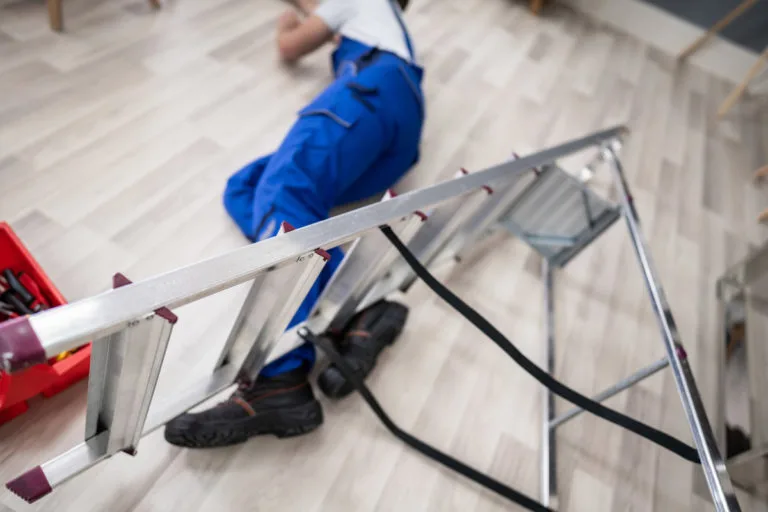
Is Fault a Factor in Workers’ Compensation Claims?
Can You Get Workers’ Comp Benefits If You Cause Your Own Injuries? In New Jersey, to qualify for workers’ compensation benefits, you need to show two things: (1) that you were injured and (2) that the injury happened during the course of your employment. You need not show who caused the injury nor prove that your employer...
Is Fault a Factor in Workers’ Compensation Claims? Continue reading…
Was Your Injury Work-Related?
Can You Collect Workers’ Compensation for Injuries Suffered at a Company Outing or Event? Under New Jersey workers’ compensation law, there are only two requirements to qualify for benefits—you must suffer an injury and you be working at the time of the injury. In most instances, there’s little question about whether the injury is work-related....
Was Your Injury Work-Related? Continue reading…
Was Your Injury Work-Related?
Can You Collect Workers’ Compensation for Injuries Suffered while Traveling? In New Jersey, if you’re hurt on the job, you have a right to seek benefits through a workers’ compensation claim. There are only two requirements to be eligible for payments—you must show that you suffered an injury, and you must prove that the injury was work-related....
Was Your Injury Work-Related? Continue reading…
Tips for Minimizing Accident Risks in New Jersey Winters
Strategies for Staying Safe When Roads Have Snow or Ice Because New Jersey typically ranks near the top nationally for traffic density, there’s a risk of injury any time you get in a car. That risk can be greater in the winter, when snow and ice can make roads slippery and accumulate on your windshield,...
Tips for Minimizing Accident Risks in New Jersey Winters Continue reading…
Tips for Minimizing the Risk of an Accident This Winter in New Jersey
How to Stay Safe on Snowy and Icy Roads Because New Jersey ranks near the top nationally for traffic density, there’s a risk of injury any time you get in a car. That risk is even greater in winter, when snow and ice make roads slippery and limit visibility by accumulating on your windshield. In...
Tips for Minimizing the Risk of an Accident This Winter in New Jersey Continue reading…

Getting Workers’ Compensation Benefits for COVID-19
Recovering for Lost Work Time Due to Occupational Illness Under the workers’ compensation laws in New Jersey, you are entitled to seek benefits for an occupational disease, provided you can show the following: your illness arose out of or occurred during the course of your employment; the illness was caused by factors characteristic of or peculiar to...
Getting Workers’ Compensation Benefits for COVID-19 Continue reading…