

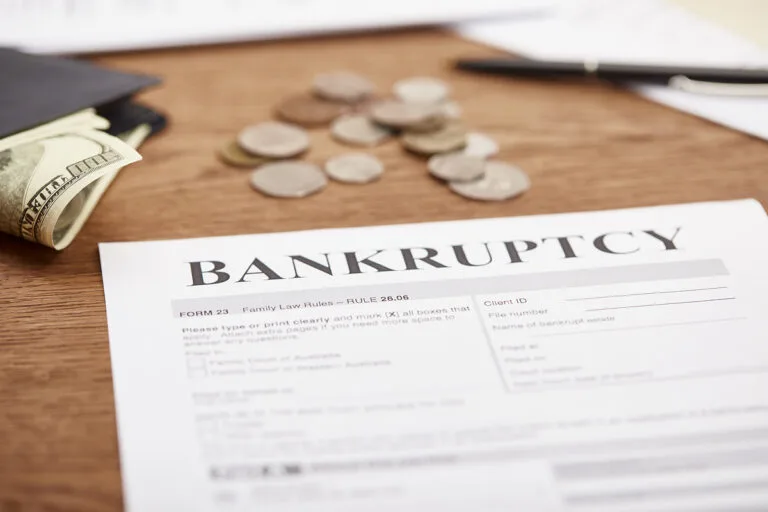
When debtors follow the rules, the American bankruptcy laws can effectively help people get a fresh financial start. Unfortunately, many bankruptcy petitions are dismissed every year because of avoidable errors, leaving filers exposed to creditors and without the protection of the automatic stay.
At The Cintron Firm, LLC, we understand the common mistakes people make when filing for bankruptcy protection, and we can help you take proactive measures to minimize the risk that your petition will be challenged.
7 Common Mistakes That Lead To Bankruptcy Case Dismissal
1: Failure To File Required Documents on Time
Bankruptcy courts operate on firm deadlines. Missing schedules, statements, or supporting documentation can result in dismissal with little warning. Trustees regularly request dismissal when filings are incomplete or late.
At The Cintron Firm, LLC, we focus early on document accuracy and timing, because even a short delay can undo the protection bankruptcy is supposed to provide.
2: Inaccurate or Incomplete Financial Disclosures
Bankruptcy requires full and honest disclosure. Leaving out income, assets, creditors, prior transfers, or recent payments—whether intentional or not—can trigger dismissal or deeper scrutiny by the trustee.
In our practice, we carefully review every disclosure with clients to ensure consistency across filings. Even seemingly insignificant errors can raise red flags, particularly if they affect eligibility or repayment obligations.
3: Failure to Complete Required Credit Counseling or Debtor Education
Federal law requires:
- A credit counseling course before filing, and
- A debtor education course after filing
Missing either course, or completing them outside the required timeframe, can lead to automatic dismissal. Many filers discover this mistake only after the case has already been closed. At The Cintron Firm, LLC, we track these requirements from day one so deadlines are never missed.
4: Failure To Attend the 341 Meeting of Creditors
A 341 meeting of creditors is a required, usually brief session where the bankruptcy trustee (and any creditors who choose to attend) questions the debtor under oath to verify the information in the bankruptcy filing. Attendance at the 341 meeting is mandatory under bankruptcy law. Failing to attend, failing to provide documents, or refusing to answer questions can all result in the dismissal of your petition. While rescheduling is sometimes allowed, ignoring the meeting almost always ends the case.
We prepare clients thoroughly for this meeting so there are no surprises and no avoidable compliance issues.
5: Failure to Make Required Payments
Chapter 13 cases are frequently dismissed when debtors fall behind on required plan payments to the Chapter 13 trustee. Courts also expect filers to stay current on other required obligations, such as domestic support obligations (including child support), court filing fees (if paid in installments), and any other payments required under the confirmed plan. If you miss payments and do not promptly cure the default or obtain court-approved relief (such as a plan modification), the trustee or a creditor may seek dismissal—or, in some cases, conversion—and the court may end your Chapter 13 case for cause.
6: Bad-Faith or Repeated Filings
Courts closely examine filings made solely to delay creditors or abuse the automatic stay. Repeated filings followed by dismissals can lead to limits on future bankruptcy protection or outright denial of relief.
This is where experienced legal guidance matters most, especially for filers with prior cases.
7: Chapter-Specific Errors That Lead to Dismissal
The different types of bankruptcy filings come with different risks.
In Chapter 7 bankruptcy flings, dismissals often stem from:
- Failing the means test
- Concealing or improperly transferring assets
- Refusing to cooperate with the trustee
In Chapter 13 petitions, dismissals frequently come as a result of:
- Filing an unworkable repayment plan
- Missing plan payments
- Falling behind on ongoing obligations
How an Attorney Helps Prevent Dismissal
Most dismissals are preventable. An experienced bankruptcy attorney ensures filings are accurate, deadlines are met, trustee requests are handled properly, and the case stays compliant from start to finish. At The Cintron Firm, LLC, we approach bankruptcy as a process that must hold up under scrutiny—not just paperwork that gets filed.
Read Also: Bankruptcy—A Way to Improve Your Creditworthiness
Take Action Immediately – Contact The Cintron Firm
At The Cintron Firm, LLC, we’ve spent more than 14 years helping individuals navigate bankruptcy with precision and care. Attorney Mark Cintron’s background as a former prosecutor gives clients a distinct advantage when anticipating trustee concerns and avoiding costly missteps.
If you’re considering bankruptcy or worried about a pending case, contact us online or call 201-791-1333 or 917-494-5695 to schedule a confidential consultation today.